My Path to Better Wildflower Images
I am now on a quest to take the best wildflower image I ever have. This post is a combination of my experience so far this season combined with the research I have done to help my images get better. I thought it would be good to share before the 2019 season comes to an end. Here goes.

2019 - Flowers from here to infinity
This is my second post this year touching on how to take great wildflower images. Why two posts?
My forte’ is landscape pictures, mostly on a grand vista scale. I have had less success in taking pictures of flowers that are good enough to print and hang on my wall. Like a million other folks, this year’s abundance of wildflowers has got me hooked on photographing flowers. I am now on a quest to take the best wildflower image I ever have. This post is a combination of my experience so far this season combined with the research I have done to help my images get better. I thought it would be good to share before the 2019 season comes to an end. Here goes.
Environment
There biggest environmental factor that can improve your image is taking the flowers under the best light. Most people want to view wildflowers on a bright sunny day. This is probably one of the worst environments for taking wildflower pictures. The light is strong causing harsh contrast, saturated color tones, etc. You want to actually use soft diffused light. Like the light from an overcast day, or at sunrise/sunset because the light is softer and warmer. This diffused light gives the wildflower a much more pleasing look. As a bonus to taking pictures early or late in the day tends to mean less wind to move the flowers around.

I love this composition but the harsh sun makes it unusable

It was an overcast day when this was taken and the diffused light makes these poppies much more appealing
Speaking of wind. If it is windy, sometimes the best approach is use it as an element in your image. Slow your shutter speed setting down and use the contrast of the moving flowers against the sharp background in the distance to add interest in your image.
Subject Matter
What flowers you choose to take a picture of is very important. If you are taking close ups, you want a prime specimen, not one where pedals are decaying, eaten by bugs, etc. Remember you are probably in a huge field of flowers, you can and should be selective.

I love the shape of this Poppy but you can tell from the leaves it has seen better days

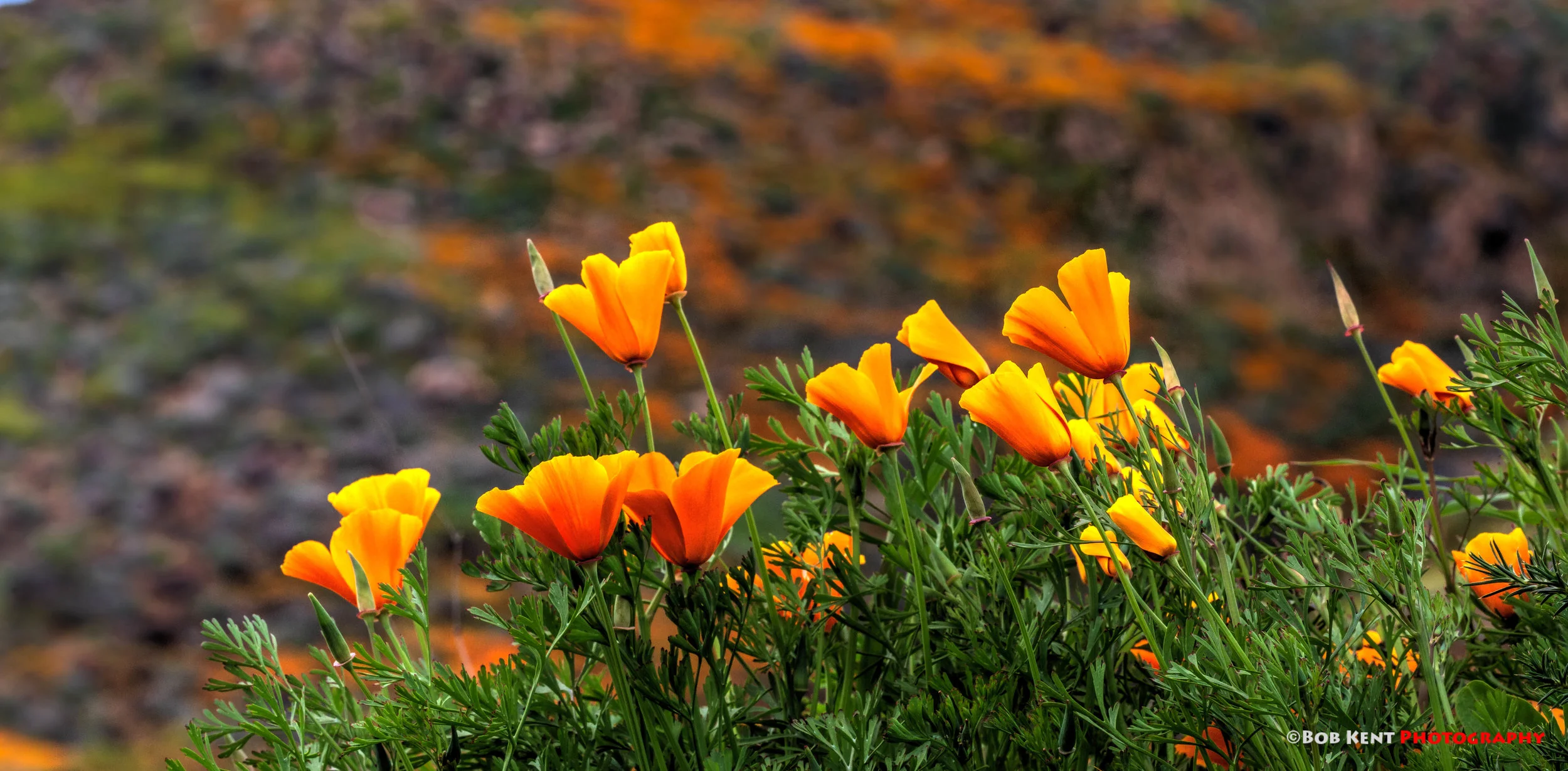
This flower is in perfect condition and is the type of flower you should look for
Composition
Memorable images have the ability to tell a story that evokes emotion in the viewer. You already know the story and why it evokes emotion within you. Folks who will look at your image later weren’t there. They didn’t experience the same emotions you did while you were there. Your image has to tell your story in order to evoke the emotions in others who were not there. When you take the image, work to create a composition that will tell your story. It could be you caught a butterfly resting on a flower or lots of other people around you enjoying the flowers.

In this one image I tell the viewer the whole story of my visit. That the flowers were all around, it was a cloudy day, it was easily accessible, close to the highway, and you would have enjoyed being there.

The people in the image tell the story of how we were exploring the beautiful countryside

Even in this colorful chaos your eye tends to end up looking at that one unopened poppy in the middle. When you create a focal point that the eyes can focus on your viewer will spend more time exploring the rest of the image .
From my experience and research I believe there are three go to composition approaches that will help make your wildflowers ones to remember:
1. Shoot Low to the Ground. Shooting from a standing position at wildflowers close to you is almost guaranteed to give you a mediocre image. The same goes true for taking pictures of dogs. Have you ever seen a dog picture that was taken from a standing up position that you really liked? Probably not. It is always when the photographer gets down to the dog’s level that creates a memorable image.

Taking this image from a higher perspective dilutes the impact of the flowers.

Shooting lower, at the flower’s level, increases the impact of the image dramatically
2. Shooting parallel to the plain of the flower. If you’re taking a close-up of a flower, what is in and out of focus is a big deal. This is usually referred to as depth of field. If you shoot parallel to the plain of the flower you minimize the amount of distance or depth of field that must be in focus. Let me explain.
If you take a picture of a flower from the side, to keep both the front and back of the flower in focus you need to keep a greater amount of distance in focus . Now take a picture of the flower from directly overhead. The front and back are at the same distance from your camera, so you need less depth of field to keep everything in focus.

Notice the front of the flower is out of focus

If you shoot parallel to the plain of the flower the amount of distance to keep in focus in considerably less
3. Use the flowers as a foreground element. How many times have you seen an image of this huge field of gorgeous wildflowers and not been moved by it? As humans we like structure. Our eyes want to focus on something, anything. Fields of wildflowers are pure chaos. There is not a single subject for our eyes to focus on, so our minds don’t process the image in a way that creates an emotion.
One way to create emotion is to use the wildflowers as the foreground element but have a strong background element as well. Have the wildflowers at the bottom of the frame but have a hill, lake, mountain, or something in the top background element. If you are successful at creating a link between the two you will naturally create emotion in your viewer as they look at your image. FYI, a cloudless blue sky does not count as a strong background element. In fact, it dilutes the viewers interest factor.

Using the flowers in the foreground against the canyon’s super bloom creates a focal point for the viewer’s eyes to focus on, yet tells the story that there was color all around you. It creates an emotional impact

The rock and the flowers in the foreground anchor the image and give a sense of proportion that evoke emotion from viewing the image.
Equipment
As always, the best rule is use what equipment you have at the moment. One hundred percent of the time, having a picture is better than no picture at all. So use what you have available. I went with my wife on a wildflower tour and one of the images she got on her iPhone was better than 90% of what I took with my Canon DSLR. The reality is however, bringing the right equipment with you can have a huge impact on the quality of your image. Here are some examples:
Camera with Controls
We talked about the importance of selecting what is and is not in focus. A camera that gives you control over aperture and shutter speeds gives you way more flexibility to capture the image you want.
Camera with a Zoom
As a landscape photographer my favorite lens is a wide angle. I tend to leave a 16-35 lens on my camera all the time. It was counter-intuitive to me that many photographers said their favorite lens for shooting wildflowers was a long telephoto lens. Like 300-400 long lens. I tried it and they were right. For isolating a specific flower with a small depth of field you cannot be a telephoto lens. Either having multiple lenses or having a good zoom lens will give you a huge amount of flexibility and control to create the image you want.

The zoom lens lets you blur the background of the rocks behind this flower. If the rock in the background was in focus its strong contrast pattern would have been very distracting
Tripod
Earlier in the post I said you need to be picky about the flower you chose to take pictures of. It is as equally important to take time to compose the image of that flower. To do that ,you need to be able to hold the camera at the right spot/angle while you adjust your focus or wait for the wind to die down, etc. That is the job of a tripod.

I was laying on the trail and had got the perfect focus and composition but had to wait several minutes for the wind to die down long enough for the flower to stop moving. No way could I have done this without a tripod.
Knee Pads
Remember some of the best picture angles of wildflowers are down low. That means a lot of kneeling. The reason the wildflowers look so good at the location you are shooting at is because there is water there. Knee pads makes it much more comfortable to kneel and keep your clothes from getting dirty or wet.
Diffuser
You are stuck taking pictures of wildflowers mid-day. There is hope. A diffuser is a filter that softens the harsh sunlight passing through it.. You can buy a diffuser or very cheaply make your own.
Conclusion
If you are in the hunt for that “perfect” image of a wildflower hopefully these suggestions on light, composition, and equipment will help you succeed! I would love to hear from you if these tips or others not mentioned helped you on your quest!

Wish you luck in your hunt for the perfect wildflower image
March in Like a Lion ( and leave the same way!)
For me this was a March for the history books! For me March has been a Lion all the way through. I cannot remember a March in which I experienced such a diversity of photographic experiences.
March roars in like a lion
So fierce,
The wind so cold,
It seems to pierce.
The month rolls on
And Spring draws near,
And March goes out
Like a lamb so dear
Lori Hill
March roars in like a lion
So fierce,
The wind so cold,
It seems to pierce.
The month rolls on
And Spring draws near,
And March goes out
Like a lamb so dear
Lori Hill

March is a transition from Winter to Spring - Reservoir on the Tejon Ranch
The theories on the origins for the saying “March in like a lion and leaves like a lamb” are multiple. Some are based on folklore describing the shift from winter to spring in the northern hemisphere. March is usually the month where winter shifts from winter to spring. So it usually starts off cold and stormy and ends calmer and warmer. Usually is the key word as there is nothing totally predictable during the transition between seasons. Which makes them so wonderful.
Another theory is based on the stars in the beginning of March Leo (the Lion) on the horizon at sunset but is replaced with Aires (the Ram) on the western horizon.
The most interesting insight was a Christian interpretation. It follows the thought that Jesus came into the world as a Lamb and will return as a Lion - in weather language means having a false spring.
Anyways for me, this March has been a “Lion” all month long. Its been one for the history books! Normally, March is kind of boring. Its cold, it rains, you stay inside. This March is different, I cannot remember one in which I experienced such a diversity of photographic experiences. It started off with a wonderful hike on the Tejon Ranch.
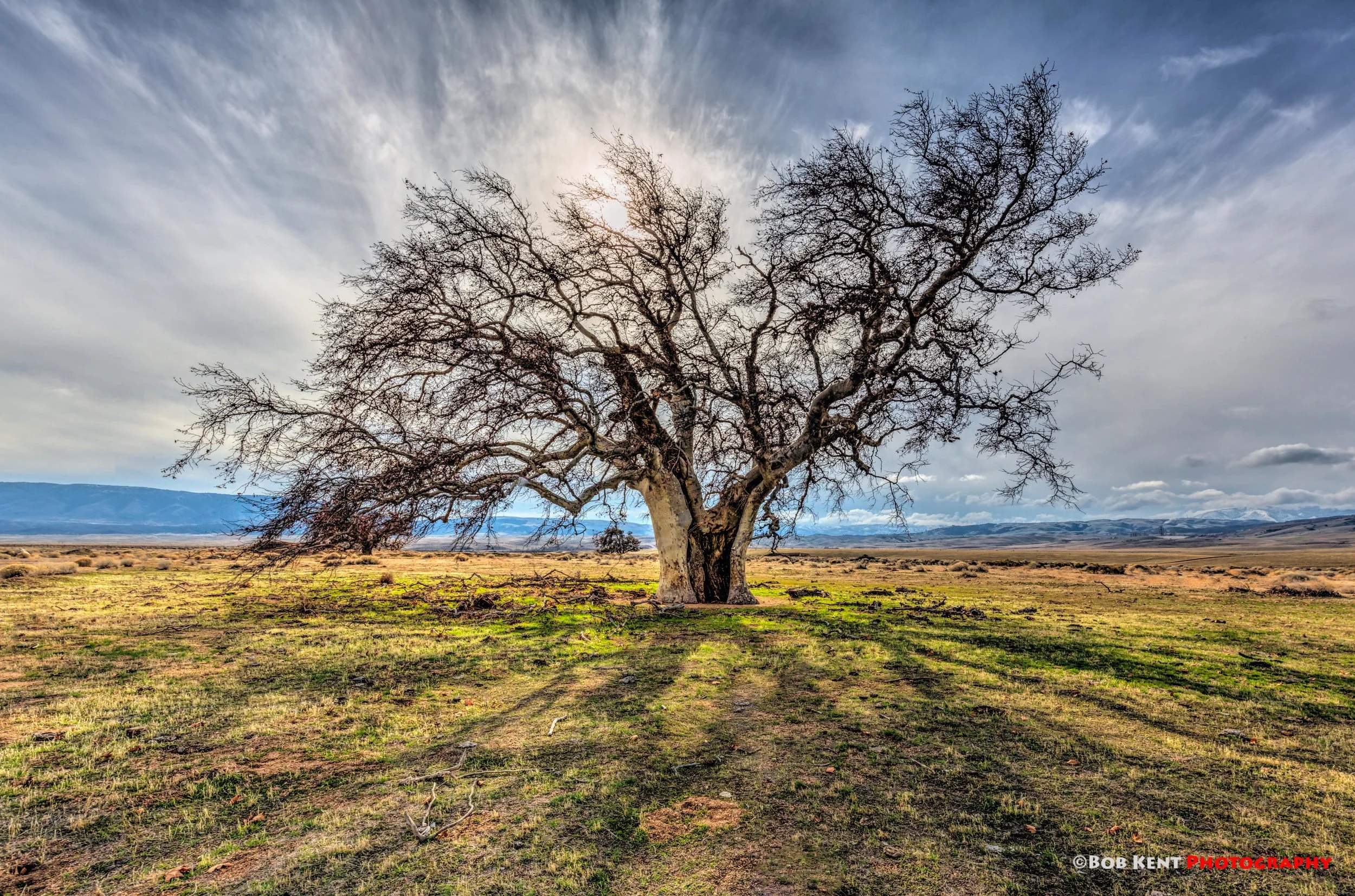
A storm had just broken up the night before and its remnants were hanging around the mountains. The result was this beautiful sunny day blessed with wonderful clouds that kept changing the light and shadows on the ground. A friend on the hike quipped “you could stand in one spot for the day and the scene would change a thousand times.”

The light kept changing creating these beautiful scenes

Beautiful Day

Beauty as far as the eye can see!
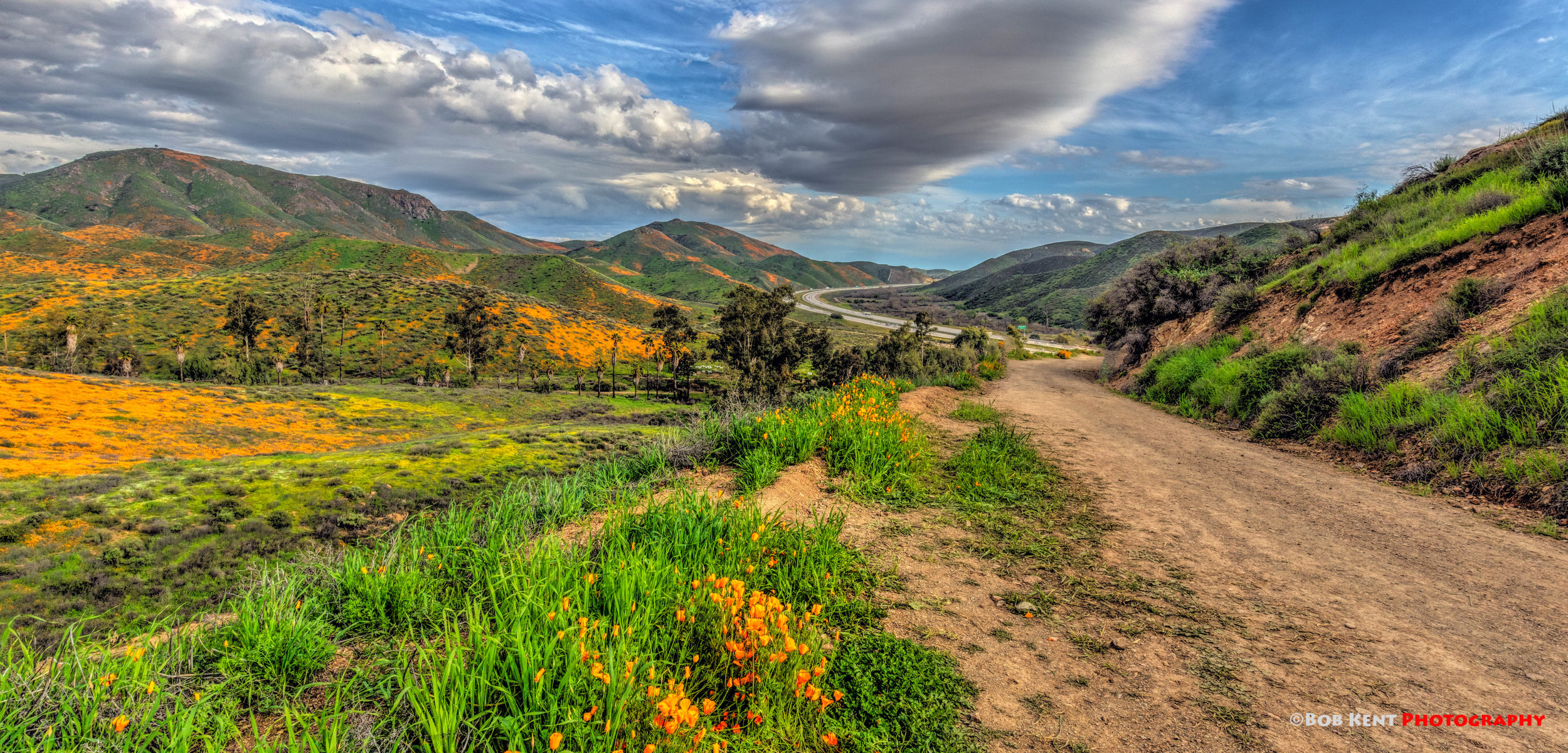
Then during my once a week work commute between LA and San Diego, Waze directed me out to the I-15. Well, from the I-15 there is no missing , the now infamous, Walker Canyon “super-bloom.” Luckily, I stopped to enjoy it weeks before the massive crowds made it a zoo.

Walker Canyon and I-15

The Hills are alive

Poppies prove that if small things join together they can make a big difference
Mountains, Clouds, and Spring Flowers what more could you ask for?
Even with spring wildflowers starting to bloom the March “Lion” was not finished yet. We took a trip up to the Eastern Sierra to check out how much snow was left. Oh my. We tend to be summer/hiking folks and don’t get up to the Sierra much in the winter months. 2019 has been an exceptional snow year and based on the snow still left on the ground and the fact it is still snowing the “Lamb” part of March missed its flight and won’t get into town till April.

First Light on Snow Covered Sierra

Closed for Winter! ::-)

All Roads Lead to Snow
Finally, I took a trek out to Death Valley to see the military pilots practice low level flying in a canyon nicknamed Star Wars Canyon (or called by the Pilots “the Jedi-transition.”) Talk about coming in like a Lion! The best description I can give about this canyon, other than “Oh sh*t”, it is the only place I know that you point your camera lens down to take a picture of a jet going by at several hundred miles an hour.

You can read the names of the pilots on the side of the plane!

Reminds me of a scene at the end of the “Dragnet” movie

I would call it tree top flying except there are no trees…

Hats off to these pilots they have a lot of “huevos” and I am glad I am on their side
While March still has few days left it will be snowing in Mammoth so I am not sure we will see the spring “Lamb” until April.
With a March like I had I cannot wait to see what April brings!
If you enjoyed this please share. Comments are always appreciated.
Hike Big Sycamore Canyon - Tejon Ranch
If you go to the Tejon Ranch Conservancy website they have this quote:
“There is no other place like Tejon Ranch in California...and perhaps in the world.”
I have to say it is true, it is true.
It is immense at 270,000 acres, the largest contiguous private property in California.
It is diverse lying at the boundaries of multiple ecosystems as diverse as the Sierra Nevada and the Mojave Desert.
It is magnificently beautiful. Especially when there is weather happening!
If you go to the Tejon Ranch Conservancy website they have this quote:
“There is no other place like Tejon Ranch in California...and perhaps in the world.”
I have to say it is true, it is true.
It is immense at 270,000 acres, the largest contiguous private property in California.
It is diverse lying at the boundaries of multiple ecosystems as diverse as the Sierra Nevada and the Mojave Desert.
It is magnificently beautiful. Especially when there is weather happening!
The Ranch is private property but through the hospitality of Tejon Ranch Conservancy you can explore it for yourself. I highly recommend you do. Hopefully this post will inspire you to sign up to visit the Ranch.
The hike today was in Big Sycamore Canyon. It was a moderate five mile in-and-out hike.
A major storm had hit the day before and the storm was clearing out the day of our hike. Driving to the Ranch from the south, Mt. Pinos was stunning covered in new snow. There were low lying clouds in the direction of where the hike is so I was excited for the possibility of some awesome views. I was not disappointed.
I enjoy entering the Ranch from the gate we used because there is an experimental wind turbine that in the vastness of nothingness looks out of place. It is so surreal, it reminds me of the planet Tatooine where Luke Skywalker grew up in the first Star Wars movie.

The hike starts out with a gentle grade f or a long while in a mix of Oaks and Sycamores. As you get farther into the canyon the grade gets a little steeper.
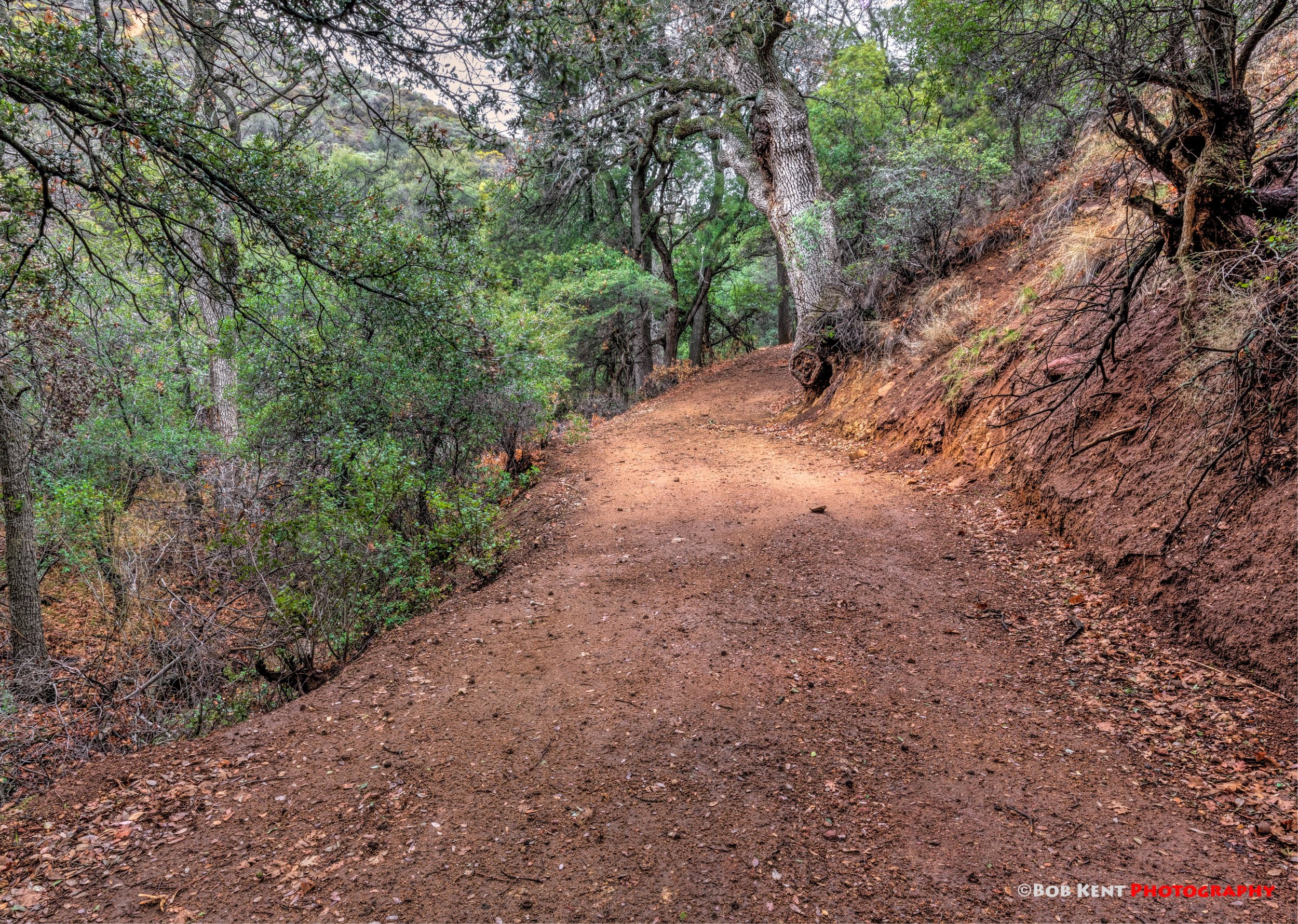
There are enough interesting sights along the way that you tend to stop, check them out, and catch your breath.

Is it me or do you see a Dolphin too?


With the low clouds and a bit of fog the colors of the canyon were very rich.
The turn around point is a small meadow with a half built abandoned cabin and an open barn. They have a picnic table in the meadow that makes a nice place to rest, talk, and have lunch.

When we got back to the car, Reema our excellent guide, drove us over to the entrance of Little Sycamore Canyon. It is ironic that some of the biggest Sycamores we saw that day were at “Little” Sycamore canyon.

As we packed up to head off the ranch the clouds continued to give us a beautiful send off.

It was a great day on the Tejon Ranch. I highly recommend you give it a try. The Conservancy has a great outreach program and you can check out the calendar of events here!
Have a great week!
Bob Kent
www.bob-kent-photography.com