The Case for Lingering
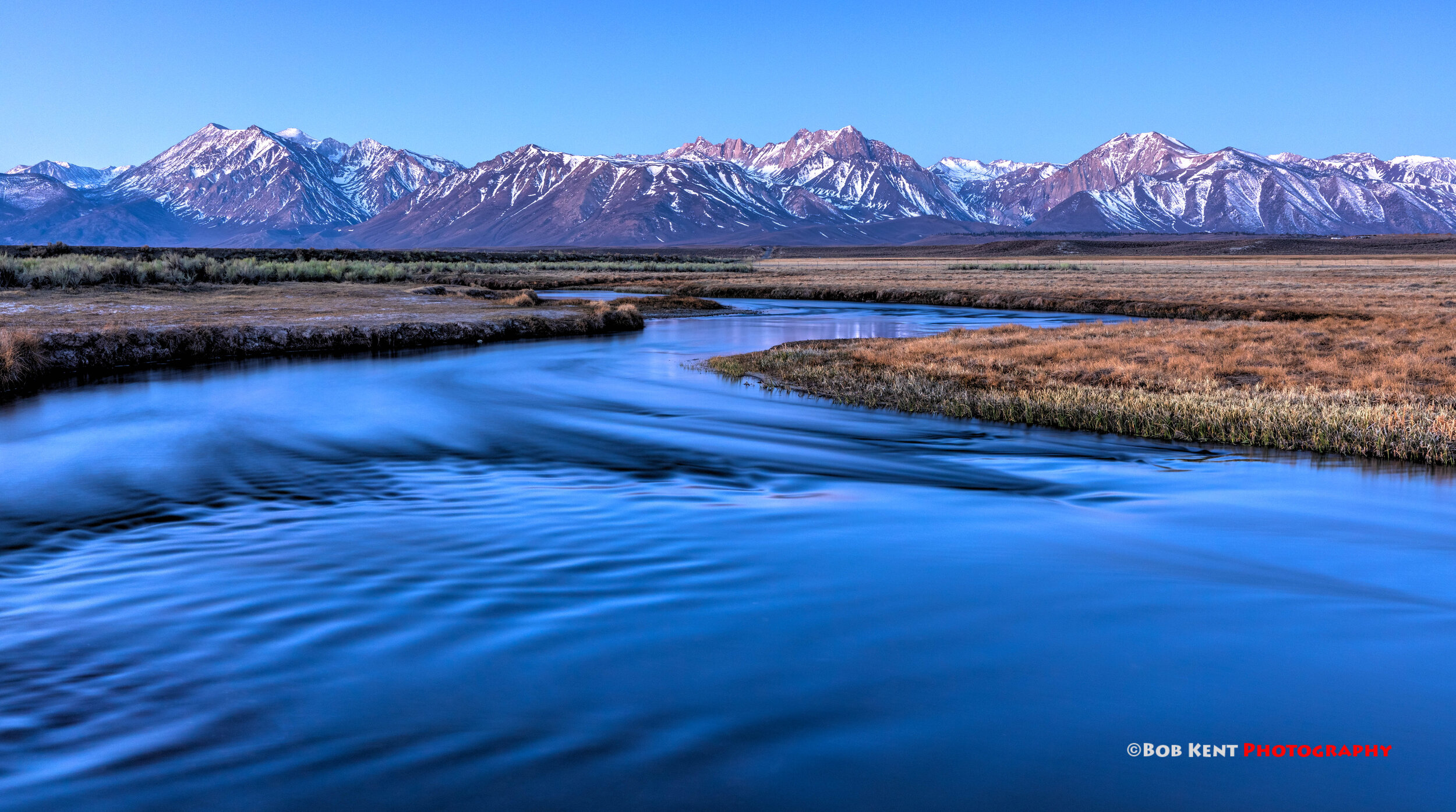
Getting to a location early and lingering afterward lets you see this incredible transition from darkness, to blue, to gold, and then finally to daylight. The same scene can look totally different and tell a completely different story, all within an hour. Same place, same stream, or trees, or mountains yet in a matter of a few minutes it “feels” totally different.
I was watching a landscape photography video from Roman Kurywczak called “For the Love of Landscapes.” In the video, he reminded me that to be a good landscape photographer you must have discipline.
Specifically, the discipline to get to a location early and stay late. To linger.
For a sunrise, you should get there an hour before the sunrise and stay for an hour after the sunrise. This is not a message I like to hear, as it means getting up at 4:00 AM or earlier to get to a location in time. However, it is a message that I need to hear regularly because he is right, and it is worth it.
He is right because a lot of the beautiful magic happens well before and after the actual sunrise. Roman correctly points out, if see something happening before you are there, you have already missed it. Unfortunately, I know this from experience. Countless times seeing the clouds turn while driving to a location and knowing no matter how fast I drive I am too late.
Getting to a location early and lingering afterward lets you see this incredible transition from darkness to blue, to gold, and finally to daylight. The same scene can look totally different and tell a completely different story, all within an hour. Same place, same stream, or trees, or mountains yet in a matter of a few minutes it “feels” totally different.
You don’t have to be a photographer to enjoy this. If you go to a location, especially in the afternoon, take your time. Linger.

Owens in Blue
There is a transition that is worth the price of admission to watch. At a lake, many times, the transition follows a pattern. In the afternoon it mostly calm with flat colors, then just before sunset the wind kicks up, the water is choppy, and the colors have this golden cast. It is the day taking its last breath. Finally, after the sunset there is this stillness that descends upon everything. The water goes still, it gets quiet, and if you’re lucky the high clouds catch on fire with yellow and oranges.

Owens in Purple
To experience this, you don’t have to move locations you just have to linger in one place for a while. While sometimes you get duds, many other times you get one heck of a show.

Owens in Gold
The series of images in this post of the Owens River in the morning transition is a perfect example. If you want to see another incredible transition at Lake Tenaya, message me.
Dad Why Do the Trees Change Colors?
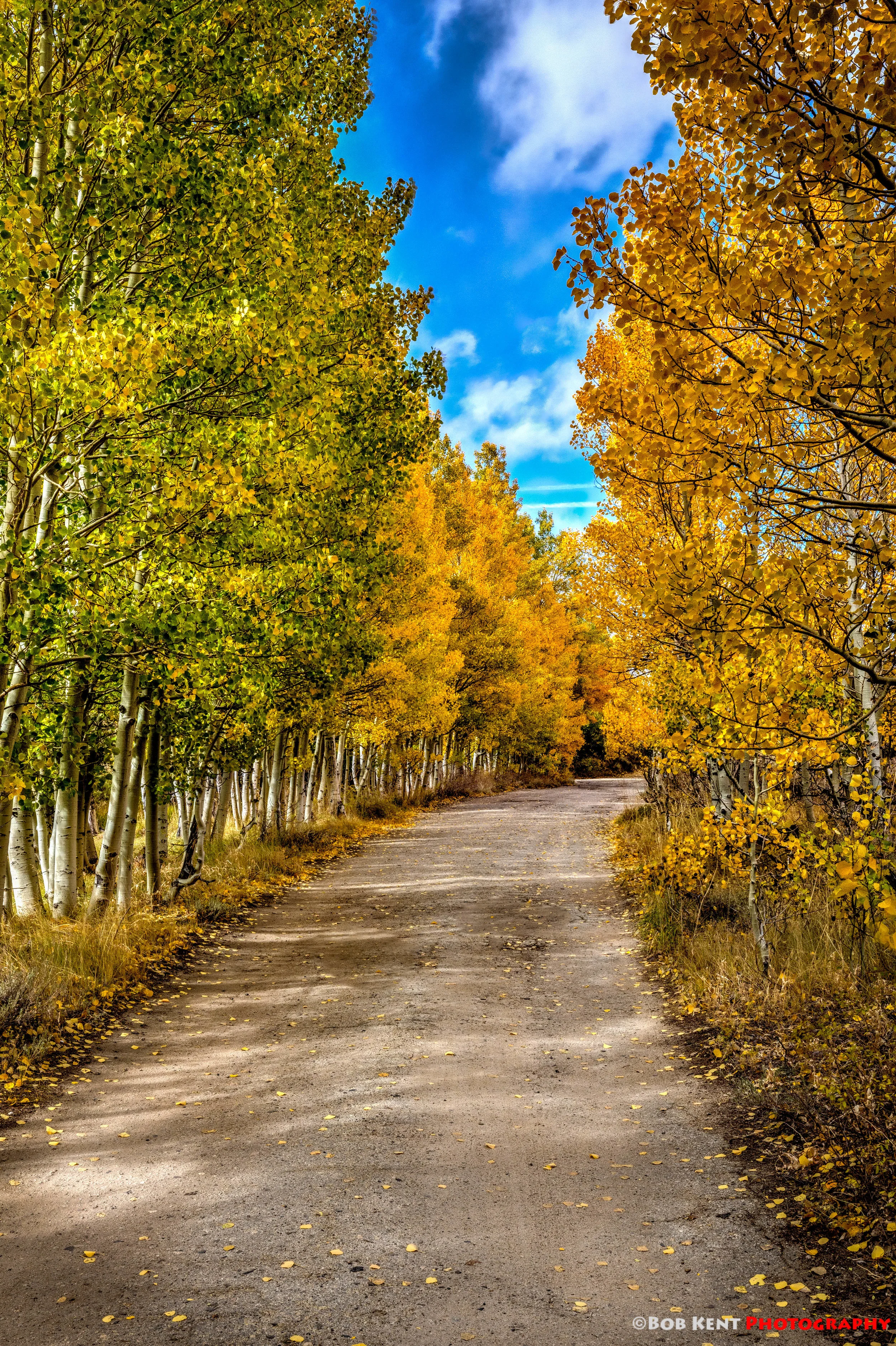
Every year I reluctantly hang on to summer and resist the coming of Fall. Despite my best efforts the days keep getting noticeably shorter, the nights have a chill, and heck it is mid-September and just snowed in the Sierra! So, I will throw in the towel and look forward to Halloween and Fall colors. Hopefully, this post will give you a bit of trivia and a lot of information on how to successfully see Fall colors in the Sierra.
Bishop Canyon
- March 2026
- October 2024
- May 2023
- December 2022
- July 2022
- June 2022
- May 2022
- January 2022
- December 2021
- November 2021
- October 2021
- July 2021
- June 2021
- May 2021
- January 2020
- July 2019
- June 2019
- May 2019
- April 2019
- March 2019
- February 2019
- January 2019
- September 2017
- August 2017
- July 2017
- June 2017
- January 2017
- December 2016
- November 2016
- October 2016
- September 2016
- January 2016
- November 2015
- July 2015
- May 2015
Every year I reluctantly hang on to summer and desperately resist the coming of Fall. Despite my best efforts the days keep getting shorter, the nights have a chill, and heck it is mid-September and it just snowed in the Sierra! So, I will throw in the towel and look forward to Halloween and Fall Colors. Hopefully, this post will give you a bit of trivia to impress your friends and a lot of information on how to successfully see the Fall colors in the Sierra.
Bishop Canyon
Why do leaves change color?
The short answer is simply the leaves get less light. There is more to it than that! Here is your trivia facts that you can use to impress your fellow Fall Color lovers.
Trivia Fact 1. In fall the days grow shorter. The reduction in the total amount of light the tree leaves receive induces a chemical change causing a corky wall to form between the twig stem and the main portion of the leaf.
After a while this corky wall causes the leaf to drop off the tree. Before it falls however, the wall blocks the in and exit vessels which traps sugars in the leaves. With reduced light an no new food the green chlorophyll pigments die. This allows us to see the two other pigments the leaves always have had - carotene (yellow) and anthocyanin (red).
Trivia Fact 2. The reason the leaves look more vibrant after sunny days is that the sunlight continues to produce anthocyanins after the blockage occurs. During cloudy days less anthocanin is created and the leaves take on a more pastel tones.
Weir Pond
Eastern Sierra Fall Colors Locations
While the Maine, Vermont, and the Rockies are better known for their fall colors there are plenty of places in the Eastern Sierra that put on quite a show. As the California Fall Color Web Site says “Dude, autumn happens here too.” Here are a some of the locations that usually have good showings:
- Big Pine Canyon
- Bishop Creek Canyon
- Lower Rock Creek
- Rock Creek Canyon
- McGee Creek
- Convict Lake
- June Lake Loop
- Sagehen Summit (Hwy 120)
- Lee Vining Canyon
- Lundy Canyon
- Virginia Lakes
- Conway Summit
- Walker River Canyon
- Lobdell Lake
- Monitor Pass
- Hope Valley
Viewing Etiquette
During the peak viewing time, there are tons of site-seers and photographers. Lately there are a lot of Photography Tour groups as well. There is enough beauty to go around to see so folks please be respectful of your fellow viewers! I remember a time where I was at North Lake very early in the morning. The sunrise was so beautiful and peaceful. That was until a large group of tourist that had broken up into two groups decided it was okay to loudly yell things to each other across the lake, ruining the peace for all others. Think before you yell, walk in front of someone’s camera scene, or bogart a location while other photographers are waiting behind you.
McGee Creek
Incredibly Helpful Resources for Planning Your Trip
Generally, the colors start changing first at higher altitudes usually in late September and the 1st week in October is best overall for color viewing. Unfortunately, it is not that simple. The change in fall colors is a very fickle thing. It does not always start on time. One location might look gorgeous one day then after a sudden wind storm, cold freeze, or snow storm be totally decimated the next day.
Fortunately, there are a lot of kind people that actively track and publish the current conditions. Some of the best sites are:
- California Fall Color
- California Fall Color Map
- Parchers Bishop Creek great for the Bishop Creek Canyon; North Lake, South Lake, Aspendell, and Lake Sabrina.
- Mono County Fall Color
- Calphoto Yahoo Group need to join.
- Sierra Fall Colors
- Natural History Wanderings Foliage Reports
Lower Rock Creek
Best blog post and How To Book
G. Dan Mitchell provide an incredible amount of valuable info!
· Sierra Nevada Fall Color Season – Coming Sooner Than You Think!
Hope this helps you in your quest to see one of nature’s best shows. Maybe I will see you out there among the colors!