Three Days of Fall Colors in the Eastern Sierra
Three days of fall colors
I had a wonderful time bopping around the Eastern Sierra enjoying and capturing the season’s fall colors and clouds.
God writes the Gospel not in the Bible alone, but also in the trees, and in the flowers, and clouds, and stars. Martin Luther
Three days of exploring the Fall Color in the Eastern Sierra
Cloudy with a 100% of Spectacular
The Clouds are calling and I must go!

Kearsarge Station, Owens Valley
There is nothing wrong with blue skies. In landscape images, a pure blue sky can be a bit boring. That is why clouds are a landscape photographer's best friend.

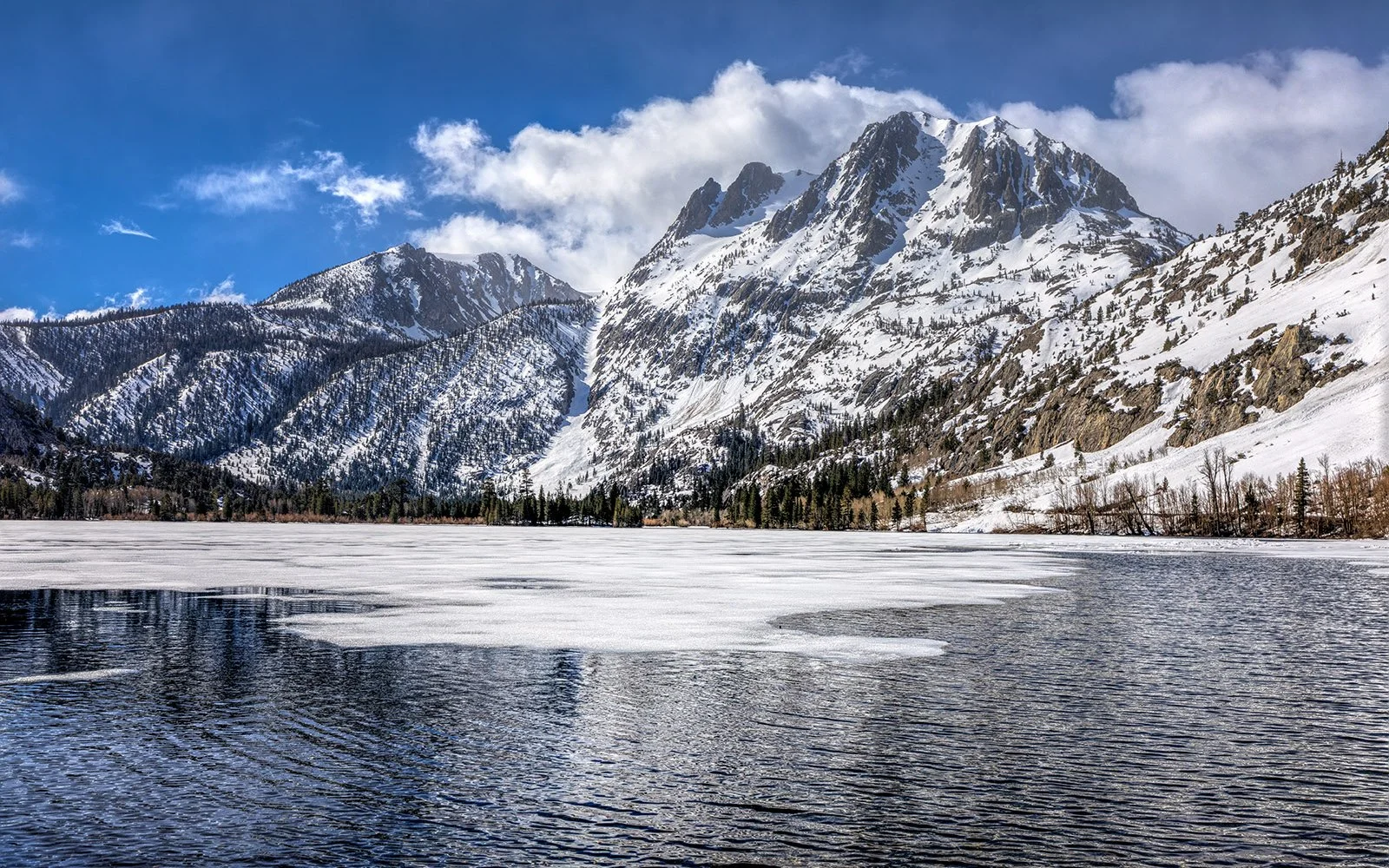
Last of the ice at Grant Lake
There have been summers where I have complained of a cloud drought. You will not hear me complain about the lack of clouds in 2022 or 2023. Using Waynes World speak, 2022 has been cloudalicous.

Last of the Ice a Silver Lake
For the last several months the clouds have been amazing. They have sometimes been complex, threatening, angry and other times o majestic hanging in the mountains
I thought it would be an excellent blog post to pair these images with great quotes about clouds.
Here we go on our cloud trip and quotes
“We pledge to fight 'blue-sky thinking wherever we find it. Life would be dull if we had to look up at cloudless monotony day after day.”
― Gavin Pretor-Pinney, The Cloudspotter's Guide:

Iris Field in Bishop
“Thirty-nine years of my life had passed before I understood that clouds were not my enemy; that they were beautiful, and that I needed them. I suppose this, for me, marked the beginning of wisdom. Life is short.”
― Iimani David

Pine Creek
I’m sure it is a great mistake always to know enough to go in when it rains. One may keep snug and dry by such knowledge, but one misses a world ofloveliness. -- Adeline Knapp

Lower Owens River near Independence
“Clouds are the most egalitarian of nature's displays, since each one of us has a good view of them, so it really doesn't matter where you are.”
― Gavin Pretor-Pinney, The Cloudspotter's Guide
Well, I hope you enjoyed all these clouds as much as I did. Now it is time to float away…
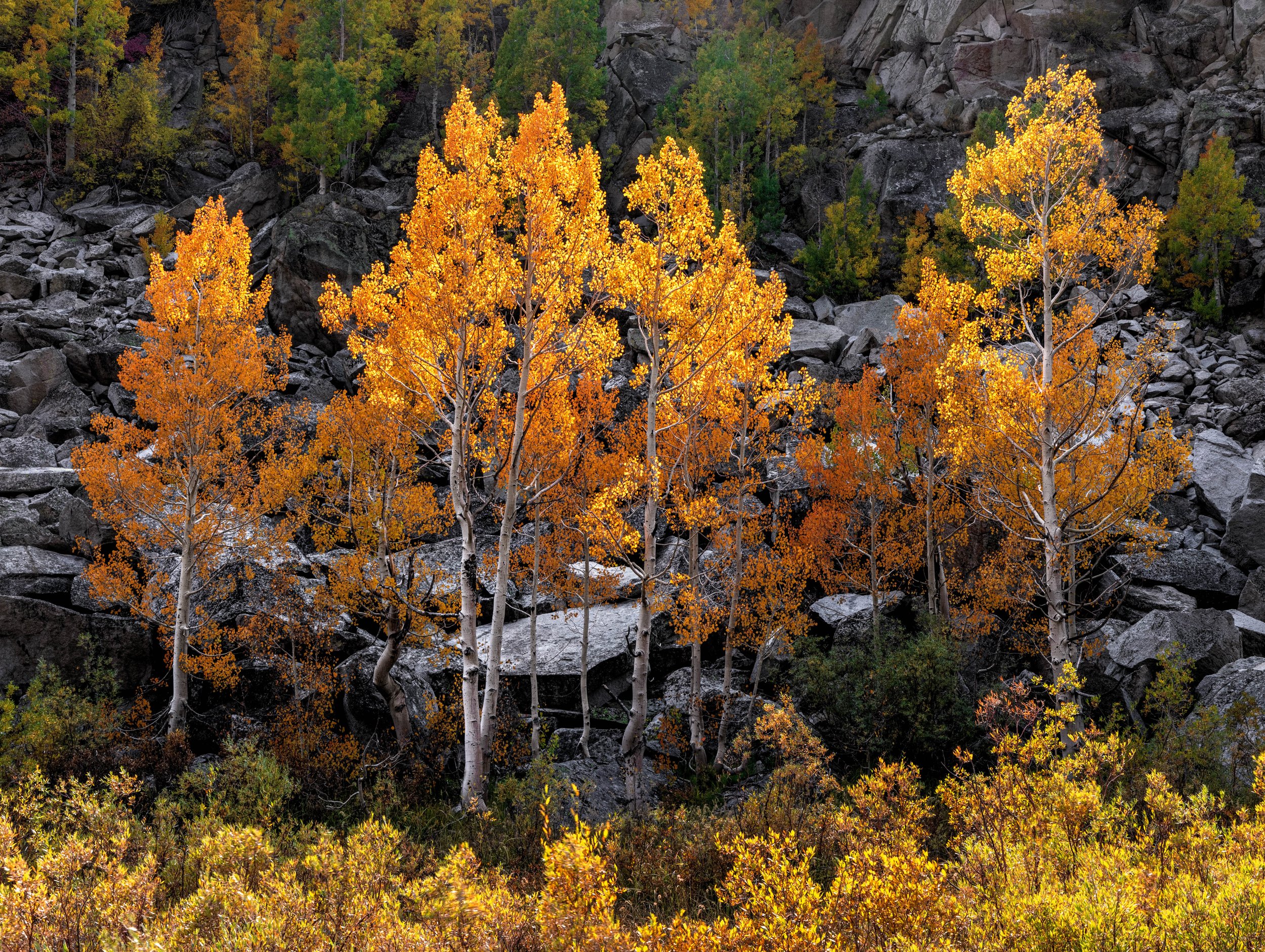
Best Images 0f 2021
My best Eastern Sierra images of 2021
It is that time of year where folks publish their best images of the previous year. Here is my list.
Locations include:
Owens River
June Lake Loop
Bishop Canyon
Bridgeport
Sage Hen
Silver Lake
Gull Lake
Mammoth Lakes
Round Valley
While 2021 had its issues it was a great year for photographing the Eastern Sierra.
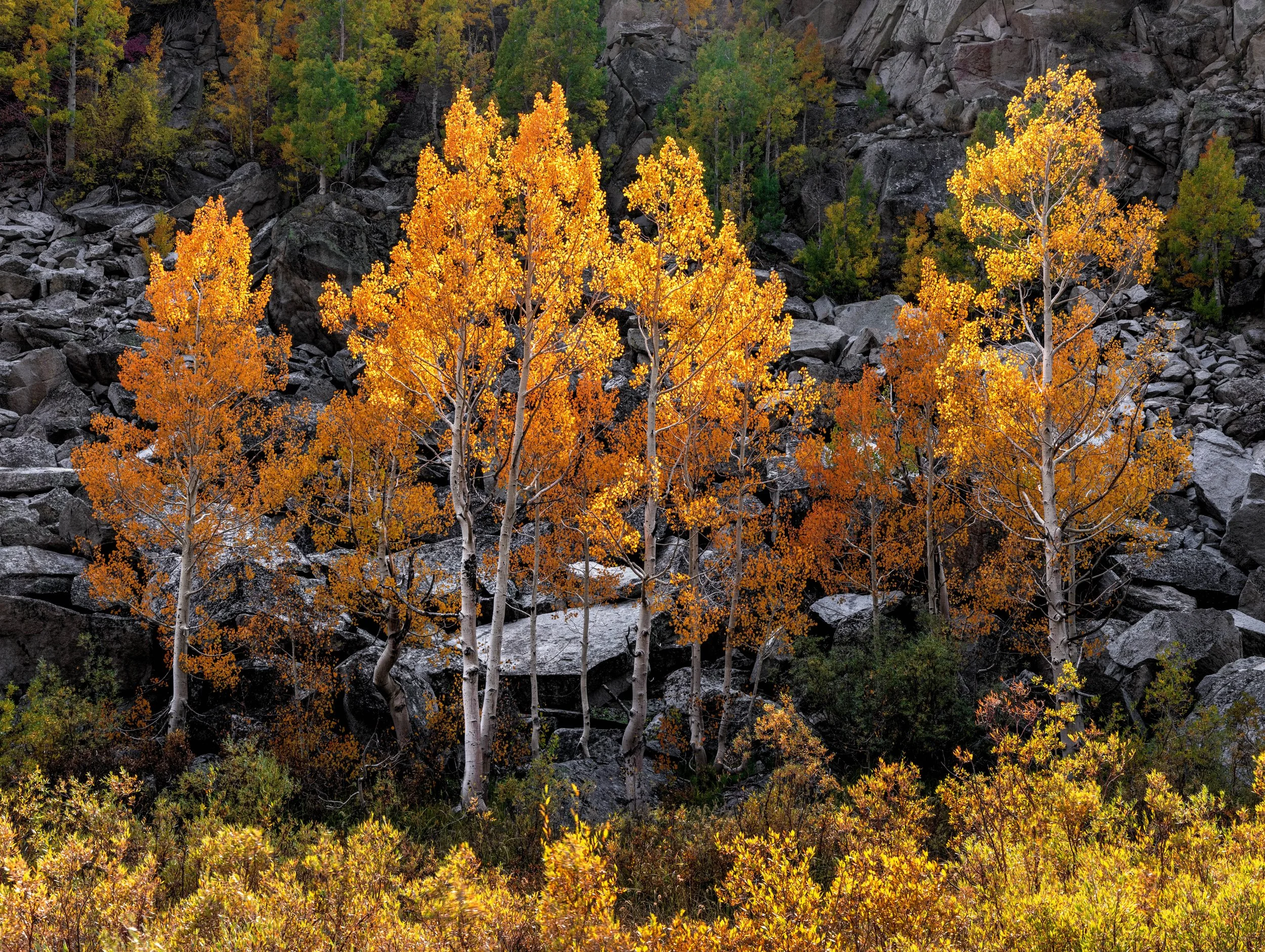
Would love to know what you think of the images and which one you liked the best.
Wishing you an awesome 2022!
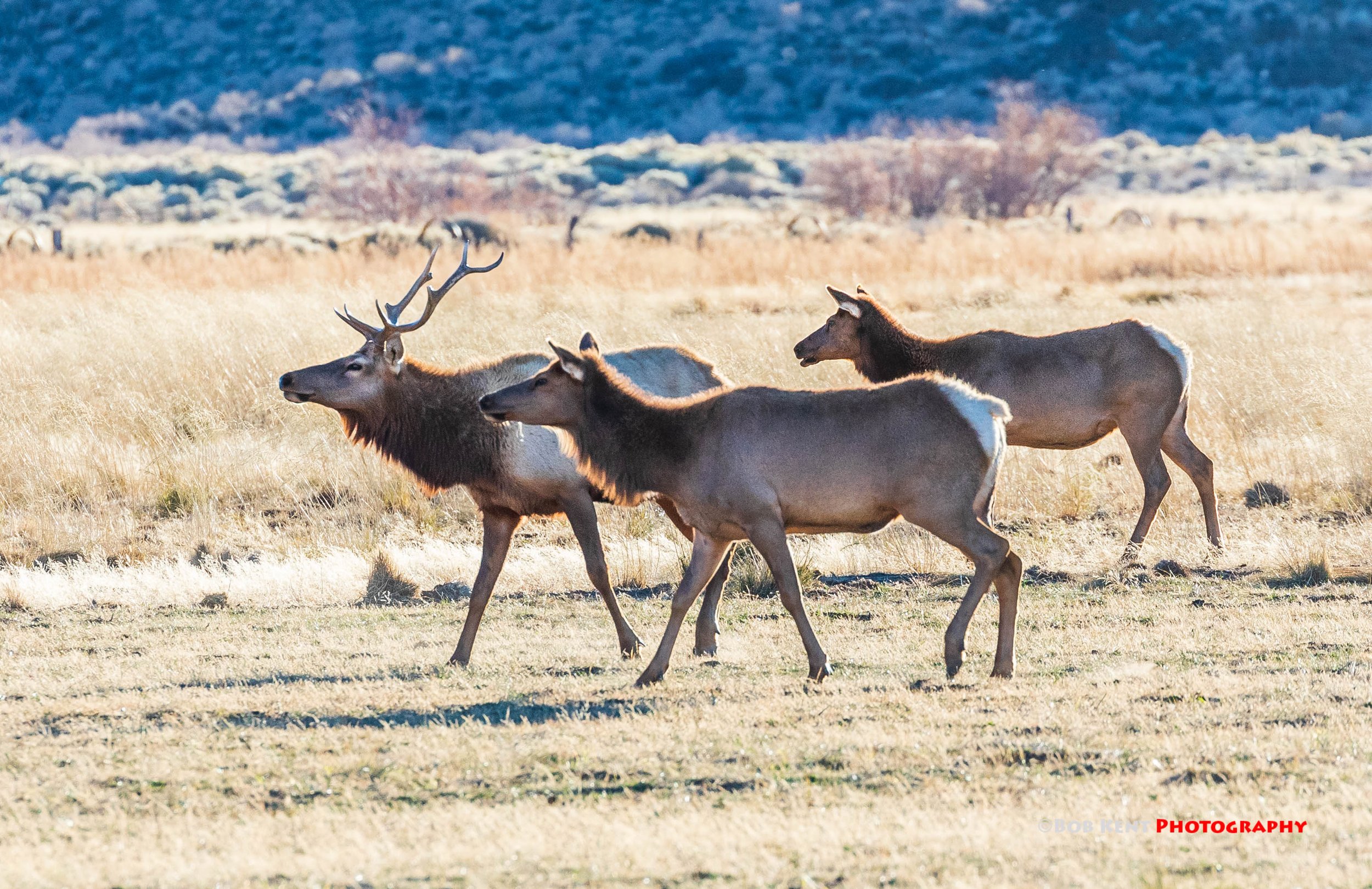
Owens Valley: The Tule Elk on Hwy 395
The tule elk herd was established in Owens Valley on October 10, 1933. Twenty-six tule elk, 7 bulls, 3 yearlings, 11 cows, and 6 calves, were brought from Yosemite National Park to an enclosure in the Owens Valley near Aberdeen and held for several days before their release. Four months later, 28 more elk were brought from Buttonwillow (which became the Tupman Tule Elk State Reserve) to augment that initial release. These original translocated elk have since expanded in size and range and have formed eight distinct tule elk sub-herds located throughout Owens Valley.

Bull Elk
Our Elk Photographic Journey
When traveling on 395 just south of Big Pine we always look for the Tule Elk at the wildlife turnouts. It was always a mystery to us when they would be in the field there. Unfortunately, when we were lucky enough to see them, I hadn’t had much luck in photographing them.
We usually find the Elk in the late afternoon. That meant I was shooting straight into the sun, which is not ideal. Lots of lens flare. Other times they were way at the far end of the field. Too far away to get a good image.

Riding with the King
One time, all the conditions were perfect. They were near the road. The sun was still high in the sky. I even had rented a long telephoto lens. When we saw the Elk, we pulled off into the viewing pull-out. I grabbed my camera with the telephoto on it. I took a bunch of images and they all looked great on the camera display. When I got them on the computer it was a different story. All the images were blurry. I use a tripod a lot, so don’t usually worry about the shutter speeds too much. Turned out I was shooting a 400 MM telephoto handheld and only had the shutter speed at 60th of a second. Another fail.
A couple of weeks ago we hit all the right conditions. The images you see in this post are from then. I can check another bucket list from my Hwy 395-image list as I now have some Elk images I like!

Keeping an Eye on Me
History of the Owens Valley Elk
Some history about these Tule Elk. Most of the info below is taken from the Fish and Wildlife’s “Distribution and Abundance of Tule Elk in the Owens Valley January 2020” report. You can see the full report here.
The Tule Elk herd was established in Owens Valley on October 10, 1933. Twenty-six Tule Elk, 7 bulls, 3 yearlings, 11 cows, and 6 calves, were brought from Yosemite National Park to an enclosure in the Owens Valley near Aberdeen and held for several days before their release. Four months later, 28 more Elk were brought from Buttonwillow (which became the Tupman Tule Elk State Reserve) to augment that initial release. These original translocated Elk have since expanded in size and range and have formed eight distinct Tule Elk sub-herds located throughout Owens Valley.
The count of the Elk in 2018 showed the following herd sizes.
· Bishop: 80-100
· Tinemaha: 80-100
· Goodale: 50-70
· Independence: 60-80
· Lone Pine: 60-80
· Whitney: 40-60
Where and When to See the Elk
One place to view the Elk is the wildlife viewing pullouts on Hwy 395 just south of Big Pine. The herd there includes bulls with expansive antlers and plenty of cows and calves. There are "Wildlife Viewing" signs that point car pull-outs near two of the herd's most favorite places to graze and bed down. This allows you a safe way to look and photograph the Elk.

Gorgeous Antlers
The best time to see the Elk is spring through fall as the herd stays on or close to irrigated fields to take advantage of the ample water and feed. The best time of day to see them is in the morning.
I am sure to include one of my Elk images on next year’s Eastern Sierra calendar!
-
2016
2
- Dec 14, 2016 Don Henley was Wrong You can go Back Dec 14, 2016
- Sep 10, 2016 Another Bucket List Checked Off – Getting to a Sierra Pass Sep 10, 2016
-
2017
1
- Jul 10, 2017 The Streams are Alive Jul 10, 2017
-
2019
1
- Feb 11, 2019 The Wildflowers are Coming, the Wildflowers are Coming; are You Prepared? Feb 11, 2019
-
2021
2
- Jul 12, 2021 Sound of Silence Jul 12, 2021
- May 3, 2021 The Case for Lingering May 3, 2021
-
2022
1
- Nov 5, 2021 Five Reasons to Buy a Wall Calendar Nov 5, 2021
-
395
1
- Aug 14, 2017 Another Hidden Gem Along Highway 395 Aug 14, 2017
-
Aberdeen
4
- Nov 5, 2021 Five Reasons to Buy a Wall Calendar Nov 5, 2021
- Feb 26, 2019 Lone Pine the Little Town Below a Big Mountain Feb 26, 2019
- Sep 11, 2017 Eastern Sierra Early Morning Scramble (ESMS) Sep 11, 2017
- Aug 14, 2017 Another Hidden Gem Along Highway 395 Aug 14, 2017
-
Airplane
2
- Mar 25, 2019 March in Like a Lion ( and leave the same way!) Mar 25, 2019
- Jan 16, 2017 Clouds are the Photographers Spice of Life Jan 16, 2017
-
Alice's Restaraunt
1
- Dec 7, 2016 Update on Operation Santa Dec 7, 2016
-
Alpine
7
- Jan 17, 2022 Best Images 0f 2021 Jan 17, 2022
- Jul 31, 2017 FIVE SIMPLE STEPS TO ENJOY YOSEMITE ON A CROWDED WEEKEND Jul 31, 2017
- Jul 24, 2017 Mom, why is the sky blue? Mom, Why is the sunset red? Mom, why does it always looks better in the Eastern Sierra? Answers to questions you May have always wanted to know Jul 24, 2017
- Jun 27, 2017 Water Everywhere! Jun 27, 2017
- Sep 26, 2016 Tom's Place Sep 26, 2016
- Sep 19, 2016 Unbelievable - Time again for Fall Colors Sep 19, 2016
- Sep 10, 2016 Another Bucket List Checked Off – Getting to a Sierra Pass Sep 10, 2016
-
Aspens
3
- Oct 20, 2024 Three Days of Fall Colors in the Eastern Sierra Oct 20, 2024
- Sep 22, 2017 Dad Why Do the Trees Change Colors? Sep 22, 2017
- Sep 19, 2016 Unbelievable - Time again for Fall Colors Sep 19, 2016
-
Baseball
1
- May 22, 2015 Some Things Age With Grace May 22, 2015
-
Beach
2
- Jan 10, 2017 Sunrise to Sunset in Southern California Jan 10, 2017
- Dec 14, 2016 Don Henley was Wrong You can go Back Dec 14, 2016
-
Big Pine
1
- Dec 12, 2021 Owens Valley: The Tule Elk on Hwy 395 Dec 12, 2021
-
Big Sky
7
- Jul 1, 2019 A Different Take on Bodie Jul 1, 2019
- Jun 10, 2019 Heaven Jun 10, 2019
- May 20, 2019 A Perfectly Cloudy Day May 20, 2019
- Jan 20, 2019 Hike Big Sycamore Canyon - Tejon Ranch Jan 20, 2019
- Jan 5, 2019 My 12 Best Images of 2018 Jan 5, 2019
- Jul 31, 2017 FIVE SIMPLE STEPS TO ENJOY YOSEMITE ON A CROWDED WEEKEND Jul 31, 2017
- Jan 16, 2017 Clouds are the Photographers Spice of Life Jan 16, 2017
-
Big Sur
1
- Dec 14, 2016 Don Henley was Wrong You can go Back Dec 14, 2016
-
Bishop
1
- Dec 12, 2021 Owens Valley: The Tule Elk on Hwy 395 Dec 12, 2021
-
Bishop Creek
1
- Sep 22, 2017 Dad Why Do the Trees Change Colors? Sep 22, 2017
-
Bixby Bridge
1
- Dec 14, 2016 Don Henley was Wrong You can go Back Dec 14, 2016
-
Blue Sky
7
- Jan 17, 2022 Best Images 0f 2021 Jan 17, 2022
- Jun 10, 2019 Heaven Jun 10, 2019
- Jan 5, 2019 My 12 Best Images of 2018 Jan 5, 2019
- Jul 31, 2017 FIVE SIMPLE STEPS TO ENJOY YOSEMITE ON A CROWDED WEEKEND Jul 31, 2017
- Jul 24, 2017 Mom, why is the sky blue? Mom, Why is the sunset red? Mom, why does it always looks better in the Eastern Sierra? Answers to questions you May have always wanted to know Jul 24, 2017
- Jan 16, 2017 Clouds are the Photographers Spice of Life Jan 16, 2017
- Sep 10, 2016 Another Bucket List Checked Off – Getting to a Sierra Pass Sep 10, 2016
-
Bob Kent
30
- Jul 9, 2022 Channeling Huell Howser in the Eastern Sierra Jul 9, 2022
- Jan 17, 2022 Best Images 0f 2021 Jan 17, 2022
- Dec 12, 2021 Owens Valley: The Tule Elk on Hwy 395 Dec 12, 2021
- May 17, 2021 Early Morning Around the Loop May 17, 2021
- May 3, 2021 The Case for Lingering May 3, 2021
- Jul 1, 2019 A Different Take on Bodie Jul 1, 2019
- Jun 10, 2019 Heaven Jun 10, 2019
- May 20, 2019 A Perfectly Cloudy Day May 20, 2019
- Apr 1, 2019 My Path to Better Wildflower Images Apr 1, 2019
- Mar 25, 2019 March in Like a Lion ( and leave the same way!) Mar 25, 2019
- Mar 15, 2019 The End of the Line (well maybe) - Keeler Mar 15, 2019
- Feb 26, 2019 Lone Pine the Little Town Below a Big Mountain Feb 26, 2019
- Feb 11, 2019 The Wildflowers are Coming, the Wildflowers are Coming; are You Prepared? Feb 11, 2019
- Jan 20, 2019 Hike Big Sycamore Canyon - Tejon Ranch Jan 20, 2019
- Jan 5, 2019 My 12 Best Images of 2018 Jan 5, 2019
- Sep 22, 2017 Dad Why Do the Trees Change Colors? Sep 22, 2017
- Sep 11, 2017 Eastern Sierra Early Morning Scramble (ESMS) Sep 11, 2017
- Aug 14, 2017 Another Hidden Gem Along Highway 395 Aug 14, 2017
- Jul 31, 2017 FIVE SIMPLE STEPS TO ENJOY YOSEMITE ON A CROWDED WEEKEND Jul 31, 2017
- Jul 24, 2017 Mom, why is the sky blue? Mom, Why is the sunset red? Mom, why does it always looks better in the Eastern Sierra? Answers to questions you May have always wanted to know Jul 24, 2017
- Jul 10, 2017 The Streams are Alive Jul 10, 2017
- Jun 27, 2017 Water Everywhere! Jun 27, 2017
- Jan 16, 2017 Clouds are the Photographers Spice of Life Jan 16, 2017
- Jan 10, 2017 Sunrise to Sunset in Southern California Jan 10, 2017
- Dec 14, 2016 Don Henley was Wrong You can go Back Dec 14, 2016
- Dec 5, 2016 Quests in the Owens Valley are Fun Dec 5, 2016
- Oct 31, 2016 Dia de los Muertos 2016 Oct 31, 2016
- Sep 26, 2016 Tom's Place Sep 26, 2016
- Sep 19, 2016 Unbelievable - Time again for Fall Colors Sep 19, 2016
- Sep 10, 2016 Another Bucket List Checked Off – Getting to a Sierra Pass Sep 10, 2016
-
Bodie
1
- Jul 1, 2019 A Different Take on Bodie Jul 1, 2019
-
Bridgeport
2
- Nov 5, 2021 Five Reasons to Buy a Wall Calendar Nov 5, 2021
- Jul 19, 2021 Clouds make my Eastern Sierra Sunset Images Pop! Jul 19, 2021
-
Cal
1
- Dec 12, 2021 Owens Valley: The Tule Elk on Hwy 395 Dec 12, 2021
-
California
26
- Jul 9, 2022 Channeling Huell Howser in the Eastern Sierra Jul 9, 2022
- Jan 17, 2022 Best Images 0f 2021 Jan 17, 2022
- Nov 5, 2021 Five Reasons to Buy a Wall Calendar Nov 5, 2021
- Jun 7, 2021 Sunrise, Sunset Jun 7, 2021
- Jul 1, 2019 A Different Take on Bodie Jul 1, 2019
- Jun 10, 2019 Heaven Jun 10, 2019
- May 20, 2019 A Perfectly Cloudy Day May 20, 2019
- Mar 25, 2019 March in Like a Lion ( and leave the same way!) Mar 25, 2019
- Mar 15, 2019 The End of the Line (well maybe) - Keeler Mar 15, 2019
- Feb 11, 2019 The Wildflowers are Coming, the Wildflowers are Coming; are You Prepared? Feb 11, 2019
- Jan 20, 2019 Hike Big Sycamore Canyon - Tejon Ranch Jan 20, 2019
- Jan 5, 2019 My 12 Best Images of 2018 Jan 5, 2019
- Sep 22, 2017 Dad Why Do the Trees Change Colors? Sep 22, 2017
- Sep 11, 2017 Eastern Sierra Early Morning Scramble (ESMS) Sep 11, 2017
- Aug 14, 2017 Another Hidden Gem Along Highway 395 Aug 14, 2017
- Jul 31, 2017 FIVE SIMPLE STEPS TO ENJOY YOSEMITE ON A CROWDED WEEKEND Jul 31, 2017
- Jul 24, 2017 Mom, why is the sky blue? Mom, Why is the sunset red? Mom, why does it always looks better in the Eastern Sierra? Answers to questions you May have always wanted to know Jul 24, 2017
- Jun 27, 2017 Water Everywhere! Jun 27, 2017
- Jan 10, 2017 Sunrise to Sunset in Southern California Jan 10, 2017
- Dec 14, 2016 Don Henley was Wrong You can go Back Dec 14, 2016
- Dec 5, 2016 Quests in the Owens Valley are Fun Dec 5, 2016
- Oct 31, 2016 Dia de los Muertos 2016 Oct 31, 2016
- Sep 26, 2016 Tom's Place Sep 26, 2016
- Sep 19, 2016 Unbelievable - Time again for Fall Colors Sep 19, 2016
- Sep 10, 2016 Another Bucket List Checked Off – Getting to a Sierra Pass Sep 10, 2016
- May 22, 2015 Some Things Age With Grace May 22, 2015
-
California's Gold
1
- Jul 9, 2022 Channeling Huell Howser in the Eastern Sierra Jul 9, 2022
-
Canon
13
- Jun 7, 2021 Sunrise, Sunset Jun 7, 2021
- Jun 10, 2019 Heaven Jun 10, 2019
- Jan 5, 2019 My 12 Best Images of 2018 Jan 5, 2019
- Sep 22, 2017 Dad Why Do the Trees Change Colors? Sep 22, 2017
- Sep 11, 2017 Eastern Sierra Early Morning Scramble (ESMS) Sep 11, 2017
- Jul 31, 2017 FIVE SIMPLE STEPS TO ENJOY YOSEMITE ON A CROWDED WEEKEND Jul 31, 2017
- Jul 24, 2017 Mom, why is the sky blue? Mom, Why is the sunset red? Mom, why does it always looks better in the Eastern Sierra? Answers to questions you May have always wanted to know Jul 24, 2017
- Jan 16, 2017 Clouds are the Photographers Spice of Life Jan 16, 2017
- Jan 10, 2017 Sunrise to Sunset in Southern California Jan 10, 2017
- Dec 14, 2016 Don Henley was Wrong You can go Back Dec 14, 2016
- Dec 5, 2016 Quests in the Owens Valley are Fun Dec 5, 2016
- Sep 26, 2016 Tom's Place Sep 26, 2016
- Sep 10, 2016 Another Bucket List Checked Off – Getting to a Sierra Pass Sep 10, 2016
-
Canon 5d Mark III
20
- Jan 17, 2022 Best Images 0f 2021 Jan 17, 2022
- Jun 10, 2019 Heaven Jun 10, 2019
- May 20, 2019 A Perfectly Cloudy Day May 20, 2019
- Apr 1, 2019 My Path to Better Wildflower Images Apr 1, 2019
- Mar 25, 2019 March in Like a Lion ( and leave the same way!) Mar 25, 2019
- Feb 26, 2019 Lone Pine the Little Town Below a Big Mountain Feb 26, 2019
- Feb 11, 2019 The Wildflowers are Coming, the Wildflowers are Coming; are You Prepared? Feb 11, 2019
- Jan 5, 2019 My 12 Best Images of 2018 Jan 5, 2019
- Sep 22, 2017 Dad Why Do the Trees Change Colors? Sep 22, 2017
- Sep 11, 2017 Eastern Sierra Early Morning Scramble (ESMS) Sep 11, 2017
- Jul 31, 2017 FIVE SIMPLE STEPS TO ENJOY YOSEMITE ON A CROWDED WEEKEND Jul 31, 2017
- Jul 24, 2017 Mom, why is the sky blue? Mom, Why is the sunset red? Mom, why does it always looks better in the Eastern Sierra? Answers to questions you May have always wanted to know Jul 24, 2017
- Jun 27, 2017 Water Everywhere! Jun 27, 2017
- Jan 16, 2017 Clouds are the Photographers Spice of Life Jan 16, 2017
- Jan 10, 2017 Sunrise to Sunset in Southern California Jan 10, 2017
- Dec 14, 2016 Don Henley was Wrong You can go Back Dec 14, 2016
- Dec 5, 2016 Quests in the Owens Valley are Fun Dec 5, 2016
- Oct 31, 2016 Dia de los Muertos 2016 Oct 31, 2016
- Sep 26, 2016 Tom's Place Sep 26, 2016
- Sep 10, 2016 Another Bucket List Checked Off – Getting to a Sierra Pass Sep 10, 2016
-
Canon 5d Mark IV
1
- May 3, 2021 The Case for Lingering May 3, 2021
-
Cars
1
- Sep 26, 2016 Tom's Place Sep 26, 2016
-
Cemetery
1
- Oct 31, 2016 Dia de los Muertos 2016 Oct 31, 2016
-
Christmas
2
- Jan 10, 2017 Sunrise to Sunset in Southern California Jan 10, 2017
- Dec 7, 2016 Update on Operation Santa Dec 7, 2016
-
Clouds
16
- Oct 20, 2024 Three Days of Fall Colors in the Eastern Sierra Oct 20, 2024
- May 18, 2023 Cloudy with a 100% of Spectacular May 18, 2023
- Jul 19, 2021 Clouds make my Eastern Sierra Sunset Images Pop! Jul 19, 2021
- Jul 1, 2019 A Different Take on Bodie Jul 1, 2019
- Jun 10, 2019 Heaven Jun 10, 2019
- May 20, 2019 A Perfectly Cloudy Day May 20, 2019
- Mar 25, 2019 March in Like a Lion ( and leave the same way!) Mar 25, 2019
- Jan 20, 2019 Hike Big Sycamore Canyon - Tejon Ranch Jan 20, 2019
- Jan 5, 2019 My 12 Best Images of 2018 Jan 5, 2019
- Sep 11, 2017 Eastern Sierra Early Morning Scramble (ESMS) Sep 11, 2017
- Jul 31, 2017 FIVE SIMPLE STEPS TO ENJOY YOSEMITE ON A CROWDED WEEKEND Jul 31, 2017
- Jul 24, 2017 Mom, why is the sky blue? Mom, Why is the sunset red? Mom, why does it always looks better in the Eastern Sierra? Answers to questions you May have always wanted to know Jul 24, 2017
- Jan 16, 2017 Clouds are the Photographers Spice of Life Jan 16, 2017
- Jan 10, 2017 Sunrise to Sunset in Southern California Jan 10, 2017
- Dec 14, 2016 Don Henley was Wrong You can go Back Dec 14, 2016
- Dec 5, 2016 Quests in the Owens Valley are Fun Dec 5, 2016
-
Coastline
2
- Jan 10, 2017 Sunrise to Sunset in Southern California Jan 10, 2017
- Dec 14, 2016 Don Henley was Wrong You can go Back Dec 14, 2016
-
Cove
1
- Dec 14, 2016 Don Henley was Wrong You can go Back Dec 14, 2016
-
Crowley LAke
2
- Jul 24, 2017 Mom, why is the sky blue? Mom, Why is the sunset red? Mom, why does it always looks better in the Eastern Sierra? Answers to questions you May have always wanted to know Jul 24, 2017
- Jan 16, 2017 Clouds are the Photographers Spice of Life Jan 16, 2017
-
DSLR
16
- May 3, 2021 The Case for Lingering May 3, 2021
- Jul 1, 2019 A Different Take on Bodie Jul 1, 2019
- Jun 10, 2019 Heaven Jun 10, 2019
- May 20, 2019 A Perfectly Cloudy Day May 20, 2019
- Apr 1, 2019 My Path to Better Wildflower Images Apr 1, 2019
- Mar 25, 2019 March in Like a Lion ( and leave the same way!) Mar 25, 2019
- Mar 15, 2019 The End of the Line (well maybe) - Keeler Mar 15, 2019
- Feb 26, 2019 Lone Pine the Little Town Below a Big Mountain Feb 26, 2019
- Feb 11, 2019 The Wildflowers are Coming, the Wildflowers are Coming; are You Prepared? Feb 11, 2019
- Jan 5, 2019 My 12 Best Images of 2018 Jan 5, 2019
- Sep 22, 2017 Dad Why Do the Trees Change Colors? Sep 22, 2017
- Sep 11, 2017 Eastern Sierra Early Morning Scramble (ESMS) Sep 11, 2017
- Aug 14, 2017 Another Hidden Gem Along Highway 395 Aug 14, 2017
- Jul 31, 2017 FIVE SIMPLE STEPS TO ENJOY YOSEMITE ON A CROWDED WEEKEND Jul 31, 2017
- Jul 24, 2017 Mom, why is the sky blue? Mom, Why is the sunset red? Mom, why does it always looks better in the Eastern Sierra? Answers to questions you May have always wanted to know Jul 24, 2017
- Jul 10, 2017 The Streams are Alive Jul 10, 2017
-
Day of the Dead
1
- Oct 31, 2016 Dia de los Muertos 2016 Oct 31, 2016
-
Dead
1
- Oct 31, 2016 Dia de los Muertos 2016 Oct 31, 2016
-
Dia de los Muertos
1
- Oct 31, 2016 Dia de los Muertos 2016 Oct 31, 2016
-
Dodger Stadium
1
- May 22, 2015 Some Things Age With Grace May 22, 2015
-
Dodgers
1
- May 22, 2015 Some Things Age With Grace May 22, 2015
-
Eastern Sierra
28
- Oct 20, 2024 Three Days of Fall Colors in the Eastern Sierra Oct 20, 2024
- May 18, 2023 Cloudy with a 100% of Spectacular May 18, 2023
- Jul 9, 2022 Channeling Huell Howser in the Eastern Sierra Jul 9, 2022
- Jun 24, 2022 Quiet Moment - Waterfall Jun 24, 2022
- Jan 17, 2022 Best Images 0f 2021 Jan 17, 2022
- Dec 12, 2021 Owens Valley: The Tule Elk on Hwy 395 Dec 12, 2021
- Nov 5, 2021 Five Reasons to Buy a Wall Calendar Nov 5, 2021
- Jul 19, 2021 Clouds make my Eastern Sierra Sunset Images Pop! Jul 19, 2021
- Jul 12, 2021 Sound of Silence Jul 12, 2021
- Jun 7, 2021 Sunrise, Sunset Jun 7, 2021
- May 17, 2021 Early Morning Around the Loop May 17, 2021
- May 3, 2021 The Case for Lingering May 3, 2021
- Jul 1, 2019 A Different Take on Bodie Jul 1, 2019
- Jun 10, 2019 Heaven Jun 10, 2019
- May 20, 2019 A Perfectly Cloudy Day May 20, 2019
- Mar 15, 2019 The End of the Line (well maybe) - Keeler Mar 15, 2019
- Feb 26, 2019 Lone Pine the Little Town Below a Big Mountain Feb 26, 2019
- Feb 11, 2019 The Wildflowers are Coming, the Wildflowers are Coming; are You Prepared? Feb 11, 2019
- Jan 5, 2019 My 12 Best Images of 2018 Jan 5, 2019
- Sep 11, 2017 Eastern Sierra Early Morning Scramble (ESMS) Sep 11, 2017
- Aug 14, 2017 Another Hidden Gem Along Highway 395 Aug 14, 2017
- Jul 31, 2017 FIVE SIMPLE STEPS TO ENJOY YOSEMITE ON A CROWDED WEEKEND Jul 31, 2017
- Jul 24, 2017 Mom, why is the sky blue? Mom, Why is the sunset red? Mom, why does it always looks better in the Eastern Sierra? Answers to questions you May have always wanted to know Jul 24, 2017
- Jul 10, 2017 The Streams are Alive Jul 10, 2017
- Jun 27, 2017 Water Everywhere! Jun 27, 2017
- Jan 16, 2017 Clouds are the Photographers Spice of Life Jan 16, 2017
- Dec 5, 2016 Quests in the Owens Valley are Fun Dec 5, 2016
- Sep 19, 2016 Unbelievable - Time again for Fall Colors Sep 19, 2016
-
El Matador State Beach
1
- Jan 16, 2017 Clouds are the Photographers Spice of Life Jan 16, 2017
-
Elk
1
- Dec 12, 2021 Owens Valley: The Tule Elk on Hwy 395 Dec 12, 2021
-
Fall
2
- Sep 22, 2017 Dad Why Do the Trees Change Colors? Sep 22, 2017
- Sep 19, 2016 Unbelievable - Time again for Fall Colors Sep 19, 2016
-
Fall Colors
5
- Oct 20, 2024 Three Days of Fall Colors in the Eastern Sierra Oct 20, 2024
- Jan 17, 2022 Best Images 0f 2021 Jan 17, 2022
- Nov 5, 2021 Five Reasons to Buy a Wall Calendar Nov 5, 2021
- Sep 22, 2017 Dad Why Do the Trees Change Colors? Sep 22, 2017
- Sep 19, 2016 Unbelievable - Time again for Fall Colors Sep 19, 2016
-
Fog
1
- Dec 14, 2016 Don Henley was Wrong You can go Back Dec 14, 2016
-
Forest
5
- Jul 31, 2017 FIVE SIMPLE STEPS TO ENJOY YOSEMITE ON A CROWDED WEEKEND Jul 31, 2017
- Jul 24, 2017 Mom, why is the sky blue? Mom, Why is the sunset red? Mom, why does it always looks better in the Eastern Sierra? Answers to questions you May have always wanted to know Jul 24, 2017
- Jul 10, 2017 The Streams are Alive Jul 10, 2017
- Sep 19, 2016 Unbelievable - Time again for Fall Colors Sep 19, 2016
- Sep 10, 2016 Another Bucket List Checked Off – Getting to a Sierra Pass Sep 10, 2016
-
Ghosttown
1
- Jul 1, 2019 A Different Take on Bodie Jul 1, 2019